Commercial Storm Damage in Windermere, IN
Storm water in a commercial building spreads by the hour. Windermere Water Restoration dispatches to Windermere properties within two hours.
Windermere Water Restoration is the Windermere call for Commercial Storm Damage: emergency crews around the clock, moisture readings instead of guesswork, and insurance files built properly. Call (463) 223-3831.
- Service: Commercial Storm Damage for Windermere homeowners
- Service area: Windermere, IN and surrounding areas
- Response time: Fast local response for Windermere; live dispatch every hour of the year
- Licensed and insured (License #RC21100059)
- Serving Windermere, IN since 2018
Commercial Storm Damage Cleanup in Windermere
We handle commercial storm damage cleanup across Windermere, and we'll work around the parts of the building that need to stay open.
Storms Here
Spring and summer are severe thunderstorm season here. NWS Indianapolis posts summaries of past storms, which helps when your carrier asks for a date.
We respond to storm calls from businesses anywhere in Windermere, including those around Windermere Golf Club. We also handle commercial storm damage in Cumberland, Lawrence Township, McCordsville and Carmel.
Commercial Storm Damage for Windermere Businesses
Wind lifts a corner of the membrane, rain drives in under it for a few hours, and by morning the insulation in the roof assembly is holding water that has nowhere to go. That water keeps releasing into the deck and the ceiling below for days. Windermere Water Restoration dispatches to Windermere, IN commercial properties within two hours to dry in the opening and pull readings through the assembly and the floors underneath.
On a storm job, Windermere Water Restoration gets a temporary dry in over the breach before the interior drying starts. Extraction runs underneath it on the same visit, and the cover gets checked after every rain while the interior equipment runs. The permanent roof repair stays on the work order until a roofing scope takes it over at your Windermere property.
The first map is a snapshot, and water keeps moving after it. About a day into the job the crew scans the same areas again with the camera and the meter and compares the outlines with the first map. If the wet area has grown, equipment moves and the scope changes before the next day's readings. Both maps stay in the file for your Windermere building.
Commercial losses often bring a consultant hired by the carrier to review the drying, and that review goes better when the numbers were there all along. Windermere Water Restoration keeps daily humidity logs, equipment inventories with run hours, and material moisture readings against a documented dry standard. When the consultant asks why four dehumidifiers sat on a floor for six days, the log answers it.
Tenants who still need to work in your Windermere building shape the drying plan, so say so when you call Windermere Water Restoration. The crew builds containment around the wet area and schedules the loud work for after hours. A marked dry route keeps people moving through the rest of the floor.
Signs You Need Commercial Storm Damage Restoration
If you notice any of these in your Windermere building, schedule a free inspection before the issue worsens.
Open seams, shrinkage at a membrane lap, or a corner of the roof lifting in wind
Breakers tripping in a mechanical room or electrical room that sits under a roof penetration
Interior wall base swelling, delaminating, or pulling away from the gypsum behind it
Dock concrete that stays dark and cool to the touch for days after the surface water is gone
Water standing in a elevator pit, or a pit pump that's been cycling longer than usual
Corrosion on a fire sprinkler line or head where the pipe runs close to the roof deck
Mechanical room floor drains that fill during heavy rain and empty slowly afterward
Daylight visible through a roof penetration curb or around the flashing at a rooftop unit
Bubbles, blisters, or soft spots underfoot when you walk a low slope membrane
A supply diffuser dripping water or showing rust streaks after a storm
How Windermere Water Restoration Handles Commercial Storm Damage
We follow these steps in order on every Windermere job.
Two Hour Dispatch
A crew dispatches to your Windermere commercial property within two hours of the call with extraction units, dry in materials, thermal imaging and moisture meters. Work starts on arrival while the team confirms building access, after hours contacts, and which spaces have to stay open.
Extraction and Debris Removal
Standing water comes off floors with portable and truck mounted units. Saturated lay in tile and wet batt insulation get bagged and hauled out. Water held in the plenum is released through controlled openings so it stops dripping onto tenant equipment.
Occupied Space Planning
Suites and corridors that must stay in service get marked on the plan before any equipment is staged, along with where the barriers go. The loud work is scheduled for hours when the space is empty.
Slab and Dock Floor Checks
Concrete at a dock or in a warehouse holds water well after the surface dries, so the crew probes the slab at marked spots and keeps dehumidification and air movement running until the readings level off.
Midpoint Scope Review
Partway through the job, the crew compares the readings with the projected equipment period and tells the property manager if the schedule or the scope has moved. Added removal is photographed and explained before the work starts.
Commercial Storm Damage in Windermere
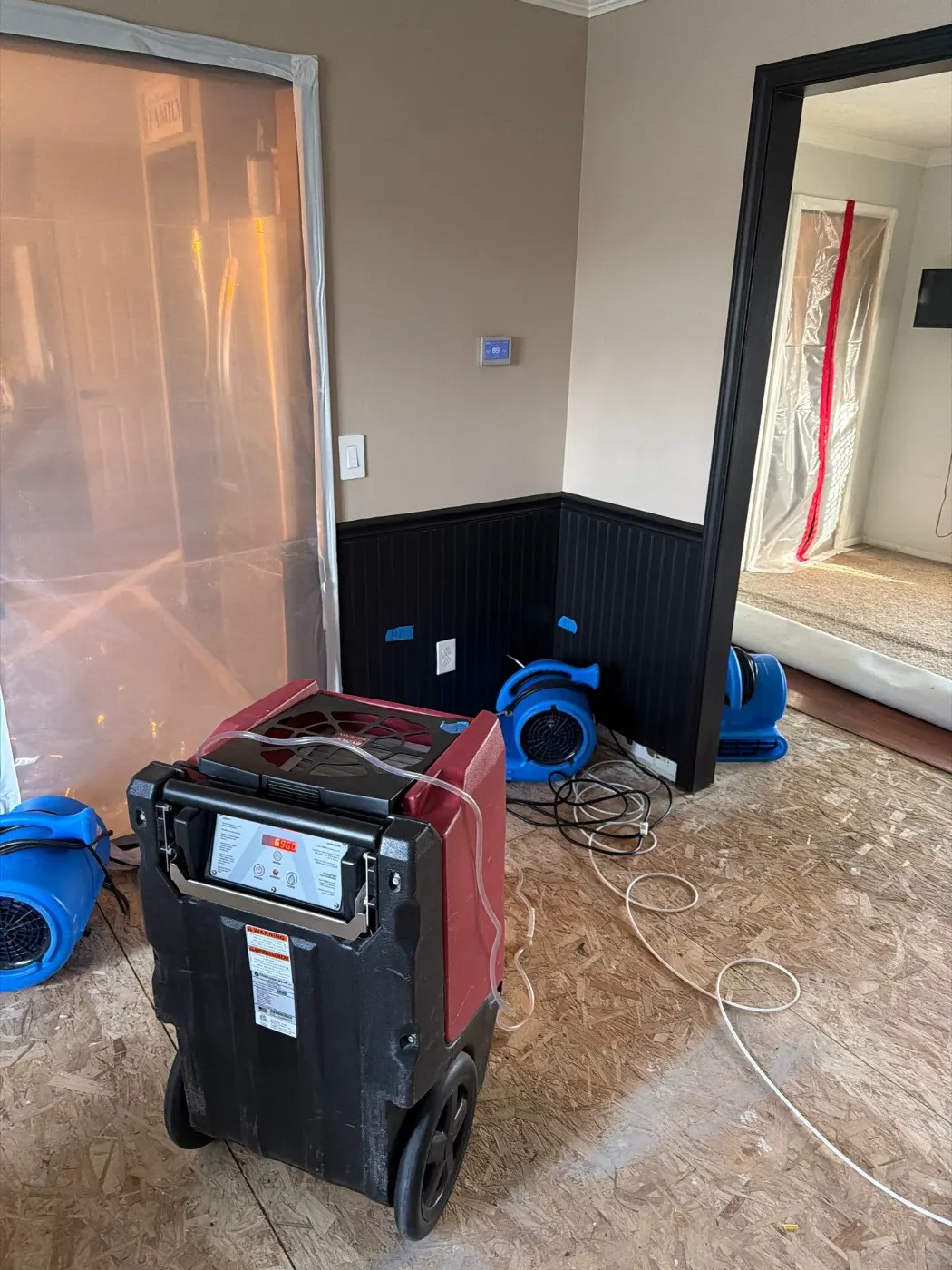
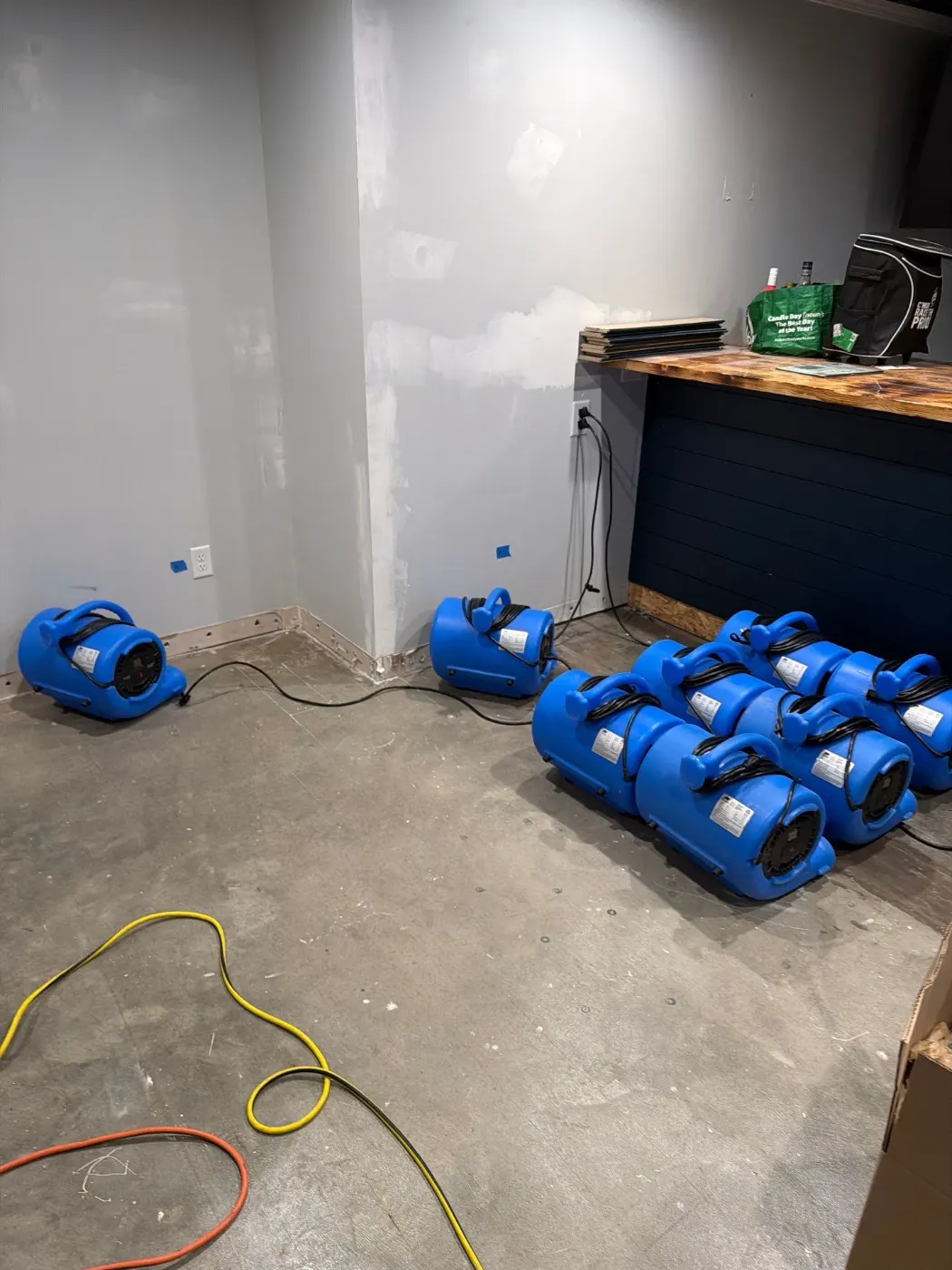
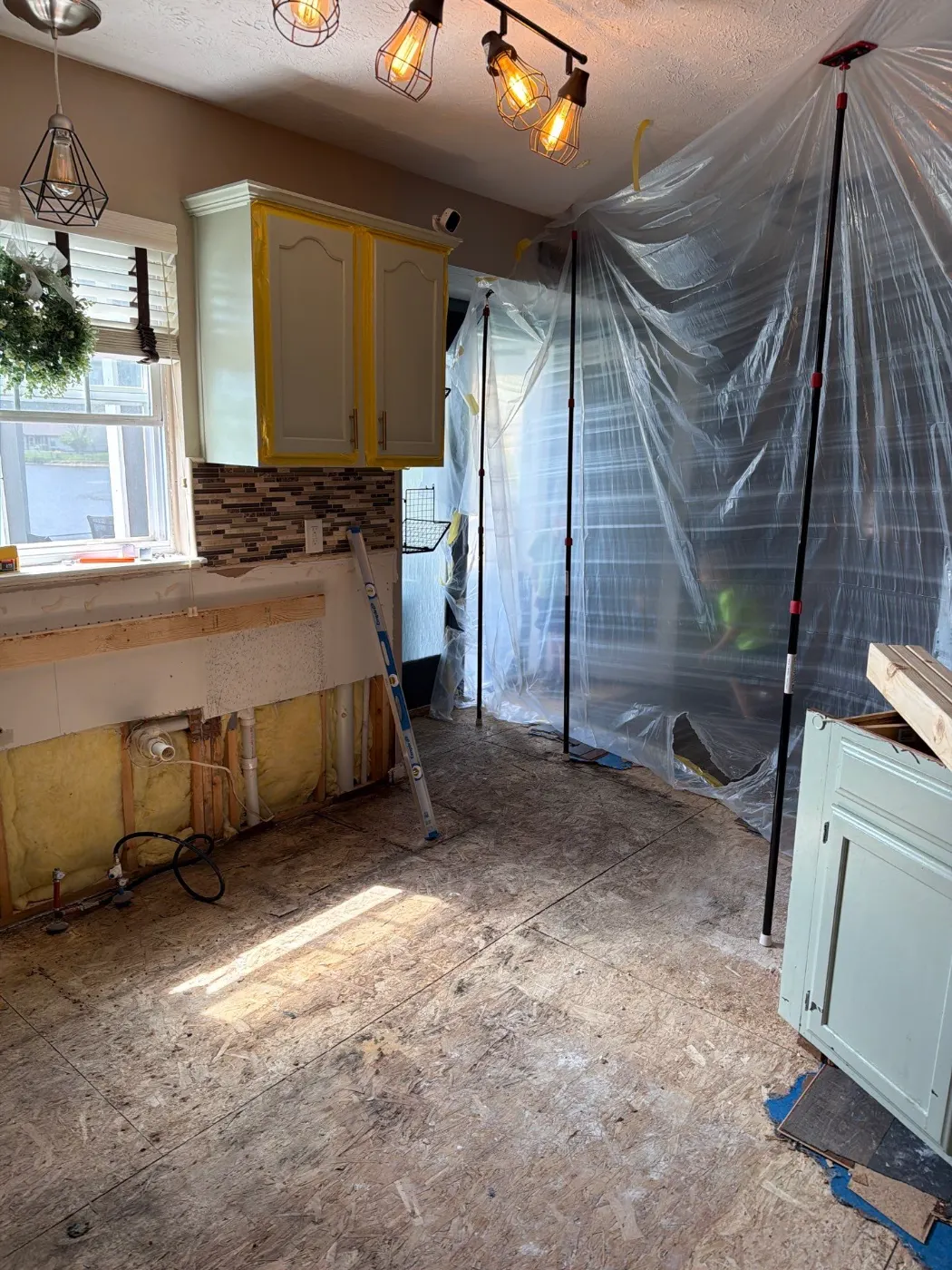
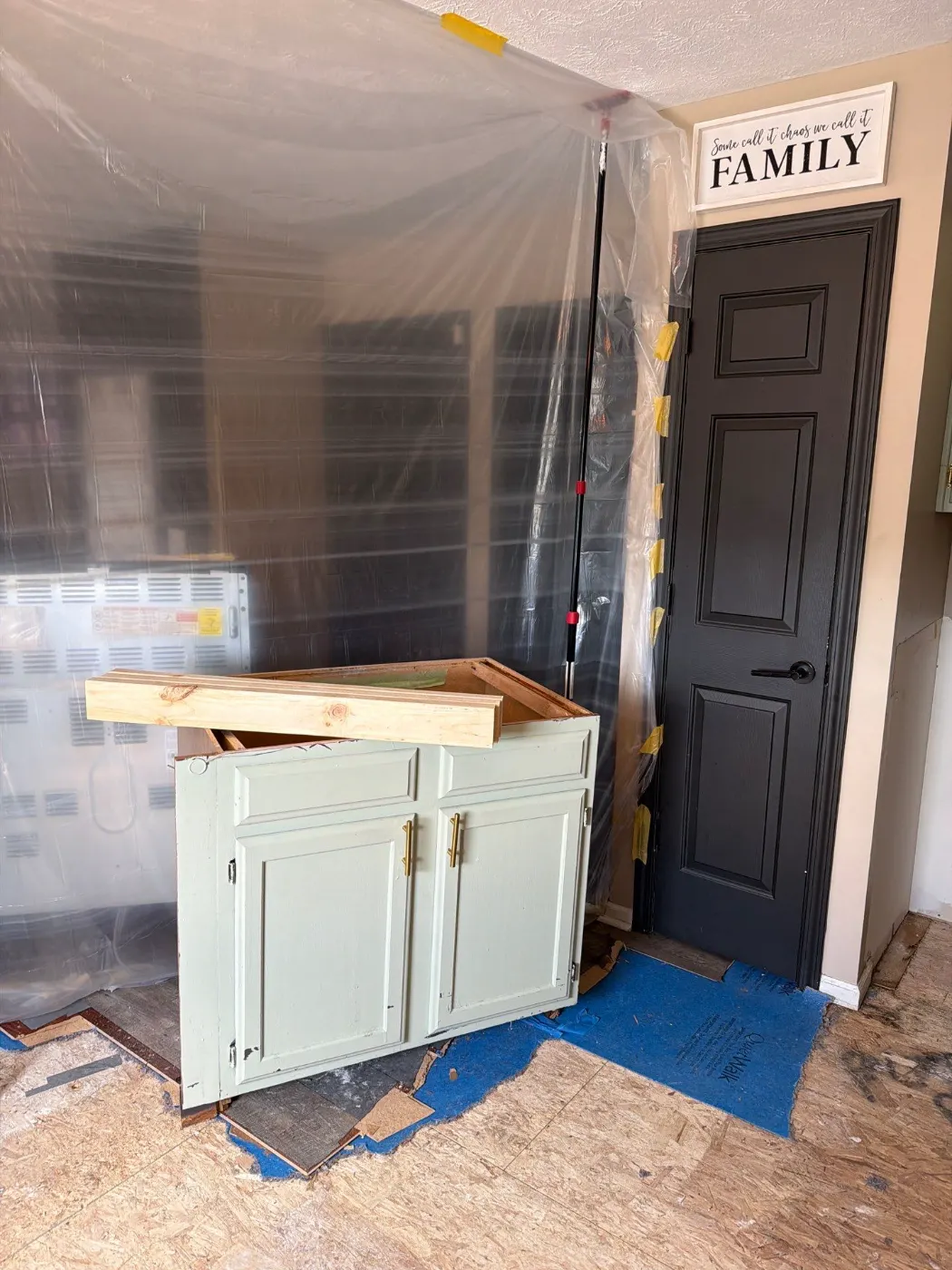
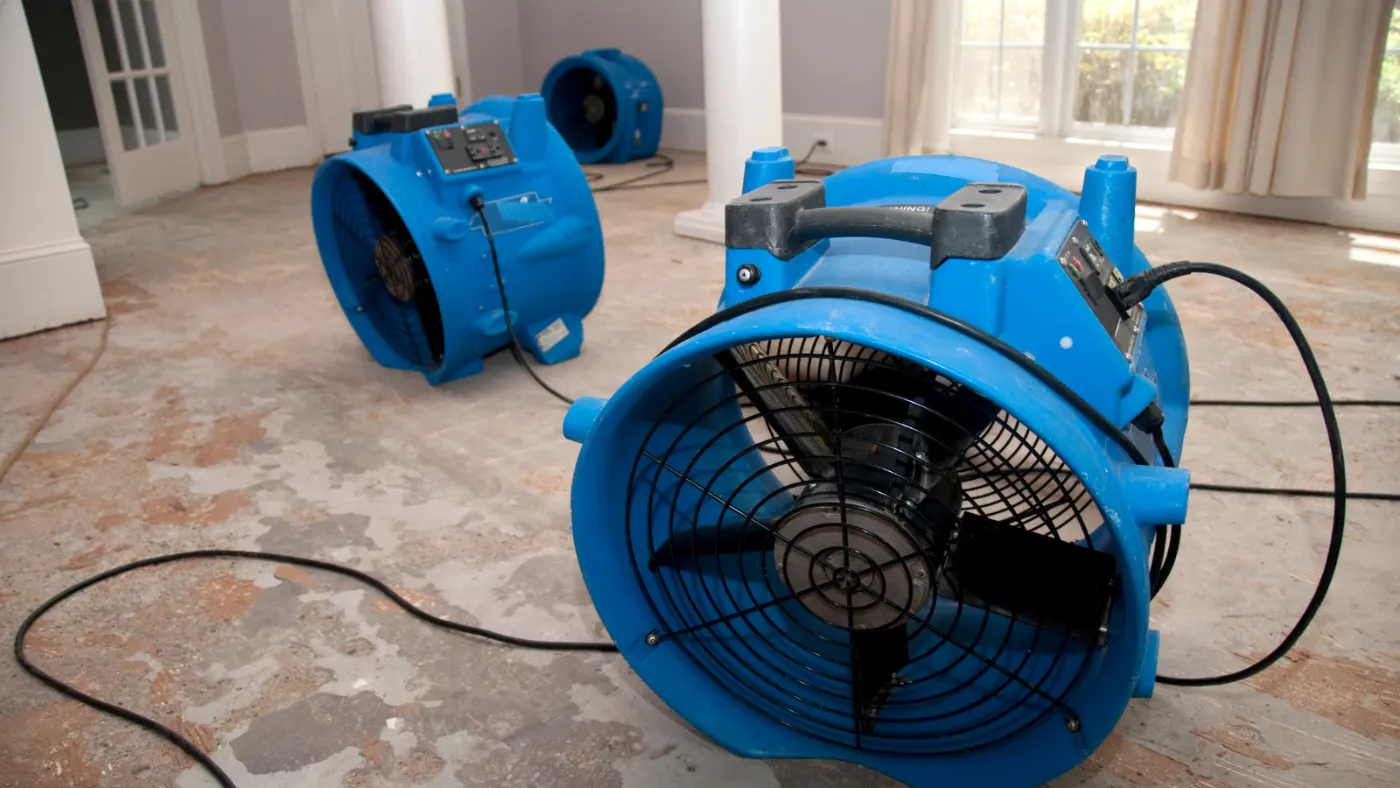
Photographs from real commercial storm damage jobs completed by our crew in Windermere and surrounding areas.
Commercial Storm Damage FAQ
Questions Windermere property managers ask us about commercial storm damage restoration.
Guidance and Standards for Commercial Storm Damage
- The National Weather Service office in Indianapolis posts summaries of recent central Indiana storm and flood events. NWS Indianapolis Event Summaries
- The ANSI/IICRC S500 is the published standard for professional water damage restoration. The current edition is the Fifth Edition, 2021. IICRC S500 Standard
Windermere Neighborhoods We Serve
We take commercial storm damage calls in every part of Windermere. Pick your neighborhood for local details.
Other Restoration Services in Windermere
Windermere Water Restoration handles the full scope of restoration work. Explore our other services below.
Water Damage Restoration in Windermere
24/7 emergency response. IICRC certified water restoration from extraction to full dry out.
Learn more →Basement Flooding in Windermere
Basement water emergencies handled fast. Extraction, drying, mold prevention.
Learn more →Sewage Cleanup in Windermere
Category 3 biohazard cleanup. Full containment, decontamination, structural restoration.
Learn more →Request Commercial Storm Damage Restoration
Reach Us Directly
Our team is available 24/7 for emergencies and ready to schedule inspections during business hours.
Need Immediate Help?
For active water or mold emergencies, call us directly. We are available 24/7.